
Sources Around Lynnwood Neighbors
Public records describe land and dated registrations more reliably than they describe a whole household. For Lynnwood neighbors, use SCOPI to define the nearby parcels, then open each Property Account Summary. The recorded plat can settle a lot boundary. Public voter data and old address directories may add names, subject to strict limits. No official, comprehensive citywide neighborhood membership directory was found in the research.
| Local source | Block-level evidence | How it is reached |
|---|---|---|
| SCOPI parcel map | Nearby tax lots, parcel IDs, addresses, and basic owner facts | Free county viewer |
| Property Account Summary | Owner, taxpayer, legal description, value, transfers, and tax history | Free county search |
| Recorded plats and deeds | Legal lots, shared interests, and recorded ownership instruments | Online index, counter, phone, mail, or microfilm |
| Washington voter extract | Permitted public fields for registered voters | Request to Secretary of State |
| Historic directories | Dated names listed by address or regional heading | Library and genealogy society |
An owner name is not the same as an occupant name. The taxpayer address can differ from the site address and can point to an agent, firm, or another place. A directory can be stale. Treat each row as a dated clue, then state exactly what it shows.
SCOPI Frames a Lynnwood Block
The Snohomish County Online Property Information viewer, known as SCOPI, supports address and map work. It shows parcel ID, property address, owner, taxpayer, value, legal description, recent-sale context, neighborhood IDs, and map layers. These fields help define which tax lots are actually next to the starting parcel before names enter the search.
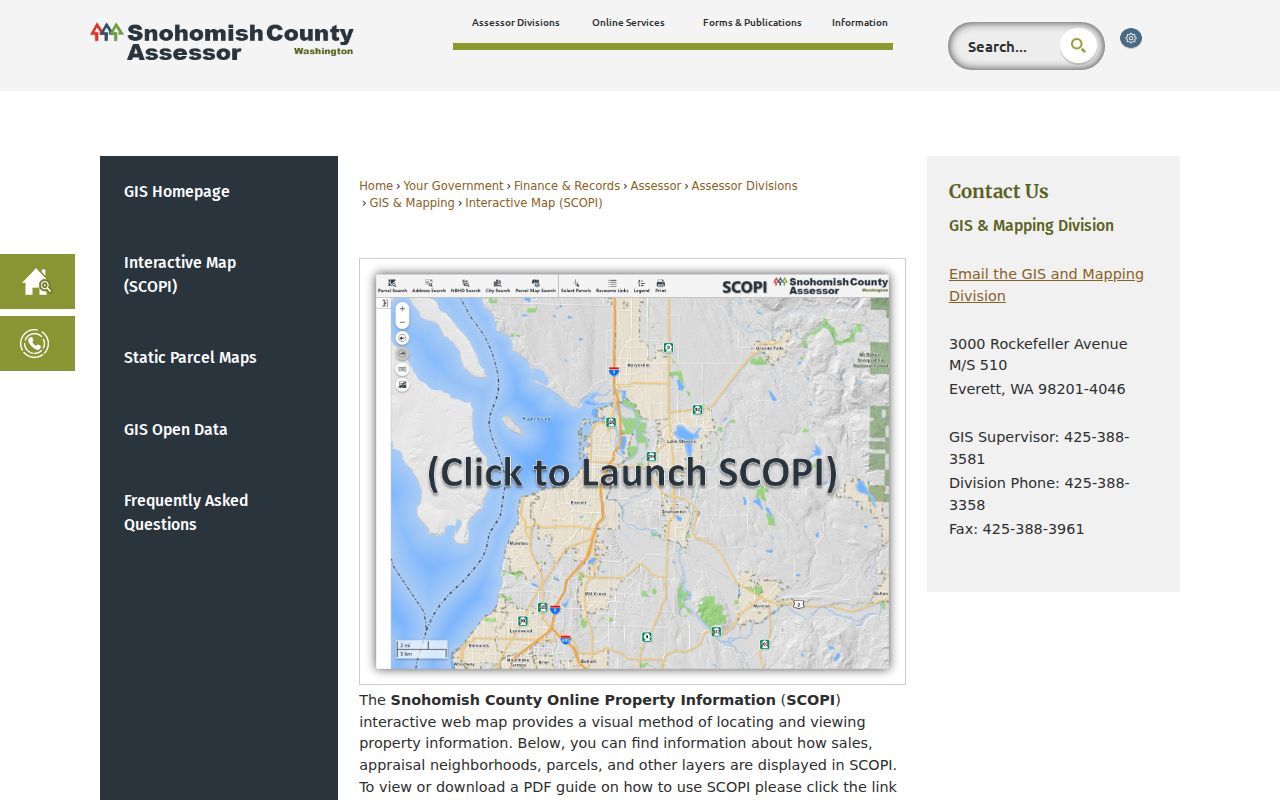
The captured instructions show how map selection leads from a visible parcel to its account facts. Zoom in enough to separate roads, common areas, and small lots. Save the parcel ID for each selected shape. A map click near a boundary may select a feature other than the home the researcher meant to inspect.
Map Lynnwood Neighbors Parcel by Parcel
Use one verified address as the center. Do not assume that every roof or driveway is its own tax lot. The county map, Assessor account, and recorded plat each perform a distinct check. Together they form a short process that can be repeated around the block.
- Normalize the starting address and find it in SCOPI.
- Record its parcel ID, site address, and legal description.
- Click each touching or nearby parcel and save the same fields.
- Open each Property Account Summary to confirm owner and taxpayer data.
- Use the recorded plat or deed when boundaries or shared interests are unclear.
- Label every name with its source and access date.
Stop the radius where it answers the real question, such as the lots sharing a boundary or facing the same intersection. A whole-road search is a different task. The Lynnwood street directory explains that broader address chain.
Lynnwood Neighbor Records Need Care
The Snohomish County Assessor Property Summary Search confirms searches by street address, parcel, and map. A Property Account Summary can expose the owner, taxpayer, legal description, property values, transfer history, characteristics, and tax history. Use the 14-digit parcel number when possible. It is less prone to a spelling or street-suffix mismatch than a typed address.
The record identifies the tax interest, not every person at the site. Owner and taxpayer fields may differ. So may mailing and situs addresses. A recent transfer also may not appear at once in every county screen. Capture the tax year and update date when available, then use Recording to confirm the instrument. This is how names tied to nearby land become evidence instead of guesses about who the neighbors are.
Not Every Lynnwood Shape Is a Lot
SCOPI may display common elements, shared interests, road areas, or features marked “Not a Legal Tax Parcel.” A map click can therefore land beside a home without producing an ordinary owner card. Condominiums and planned developments can also pair a unit interest with common land. The visual outline alone is not a legal finding.
When this happens, copy any parcel or plat clue the viewer supplies. Search the Assessor account, then open the recorded plat or deed through Snohomish County Recording. Compare the legal description, recording number, and party names. This small check avoids assigning an association’s common area to one household or overlooking a unit that does not match the broad shape on the map.
Washington Voter Data Is Restricted
VoteWA is a personal registration tool that asks for first name, last name, and date of birth. It is not a screen for browsing all registered neighbors on a Lynnwood block. The broader public voter-registration extract comes from the Washington Secretary of State, not from a county street search. Public fields can include name, address, political jurisdiction, gender, year of birth, voting record, registration date, and registration number. Washington does not register party preference.
Use is limited. Voter data cannot be used for advertising or solicitation, and protected records must remain shielded. Snohomish County directs voter-data requests to the state under recent legislation. A public extract is updated on its own cycle, so it should be labeled by file date and never treated as proof that the named person is at an address today.
Lynnwood Neighbor Research Contacts
No official comprehensive list of Lynnwood neighborhood associations or public membership rosters was located. That gap matters. An organization’s name or boundary does not prove that a household owns, occupies, or joins. The best documented contacts support local history and place research instead.
| Community source | What it can add | Contact route |
|---|---|---|
| Lynnwood Library | Genealogy databases, newspapers, obituaries, photos, and microform | 19200 44th Ave W; 425-778-2148 |
| Sno-Isle Genealogical Society | Directories, maps, yearbooks, newspapers, and obituary clippings | 19827 Poplar Way; 425-775-6267 |
| Alderwood Manor Heritage Association | Historic place names, exhibits, and Heritage Park context | 19903 Poplar Way; 425-775-4694 |
| History & Heritage Board | DiscoverLynnwood map, reports, stories, and public meetings | City heritage page |
Use these groups for dated context, not current-person rosters. The Alderwood Manor Heritage Association page shows the local research setting and its published hours.
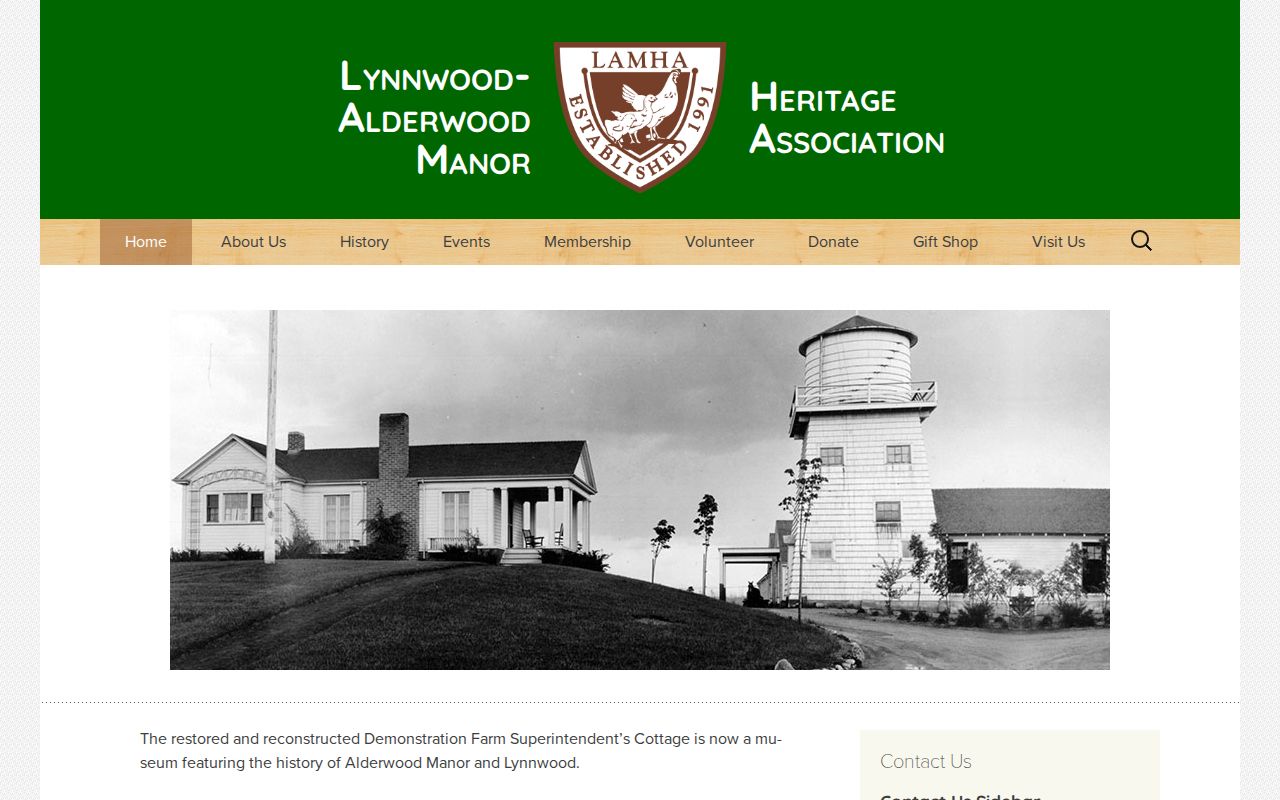
Its collections can clarify an older community name or landmark. Pair that account with a dated map, newspaper, directory, parcel, or deed before reaching a conclusion.
Official Lynnwood Rolls Beat Profiles
Official and commercial tools answer different questions. County records identify a parcel, taxpayer, instrument, and date under a known custodian. Commercial neighbor tools merge public and private feeds, may charge for details, and may retain old or mismatched addresses. Their candidate profiles do not replace the source record.
Official records. Known custodian, defined fields, dated updates, copy routes, and a clear way to verify the parcel or instrument.
Commercial category. Broad hints with unclear refresh dates, possible name merges, and no guarantee that a person occupies the displayed address.
If a profile supplies a lead, return to SCOPI, the Assessor, Recording, the library, or the proper state record. Record what the official source proves and discard unsupported household claims.
Protect Your Lynnwood Neighbors
Parcel records generally omit many people who share a home. Utility, delivery, and private contact data are not a public block directory. Washington’s Address Confidentiality Program, under chapter 40.24 RCW and chapter 434-840 WAC, gives eligible participants a substitute address. Protected-voter provisions also apply. Never try to combine sources to reveal a protected person’s actual place.
Dates and labels reduce harm. Say “owner shown on the parcel account” or “listed in a dated directory,” not “lives here.” Keep full birth dates, signatures, identification numbers, and private contact fields out of notes. For a family-history or community question, use an institutional contact route and offer a clear no-contact choice.
Lawful use. Look up Lynnwood neighbors for civic curiosity, reconnection, or personal safety awareness. Never watch, harass, threaten, or expose a person.
Historic Lynnwood Neighbors Need New Labels
A present block may not have appeared as Lynnwood in an older directory. The incorporated city, postal ZIP, county parcel, census area, and historic locality are separate layers. For an early address, search Alderwood Manor, Alderwood, South Snohomish, Edmonds, and any regional directory title supported by the item. The 1974 Polk catalog title North King County–South Snohomish is a good example: its catalog geography is a finding aid, not a legal city line.
Once the right directory is found, copy the year, page, street spelling, nearby house numbers, and the names shown on both sides of the target. Then compare those entries with an old plat, map, Assessor field book, newspaper, or census schedule. A run of nearby addresses can help test whether a street was renumbered or a locality label changed, but the legal description remains the better link to the land.
Historical neighbors are dated observations. A 1971 Polk entry or 1950 census row must never become a claim about the current block. Mark the last year each person appears and leave publication gaps open.